

Scentless Danger
The New London School explosion that killed my great-uncle Basil.

‘The prudent sees danger and hides himself, but the simple go on and suffer for it.’
Proverbs 27:12
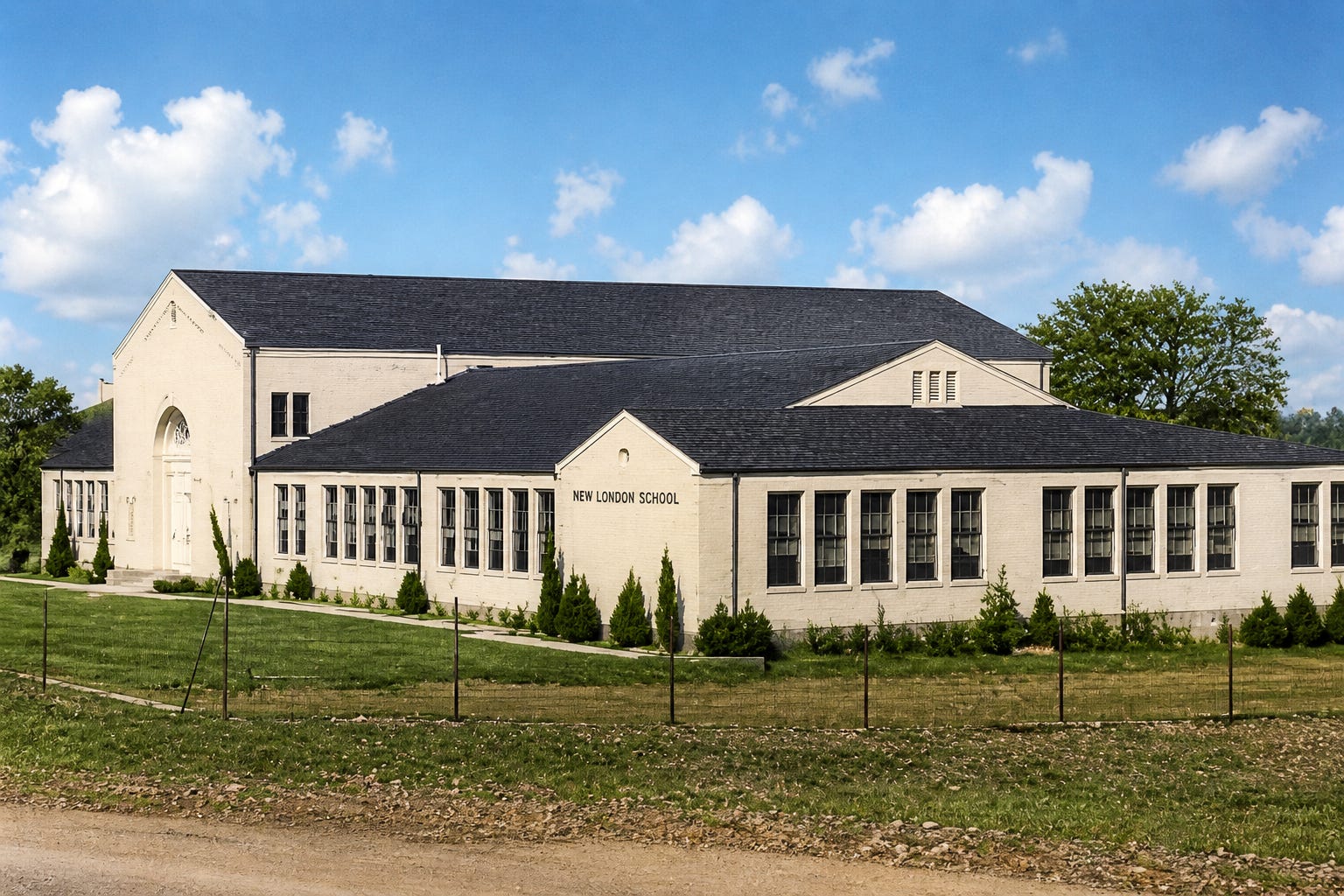
Its smell is now a warning.
Natural gas, in its pure form, is invisible and odorless.
I’m reminded of this every time I catch a sharp, sulfur scent of natural gas.
What I am actually smelling is not the gas itself, but a chemical added to it called thiols, often referred to as mercaptans.
These compounds are deliberately injected into natural gas so that danger can be detected before it destroys.
But it was not always this way.
There was a time in America when people had no warning of a natural gas buildup.
The Explosion Nobody Expected
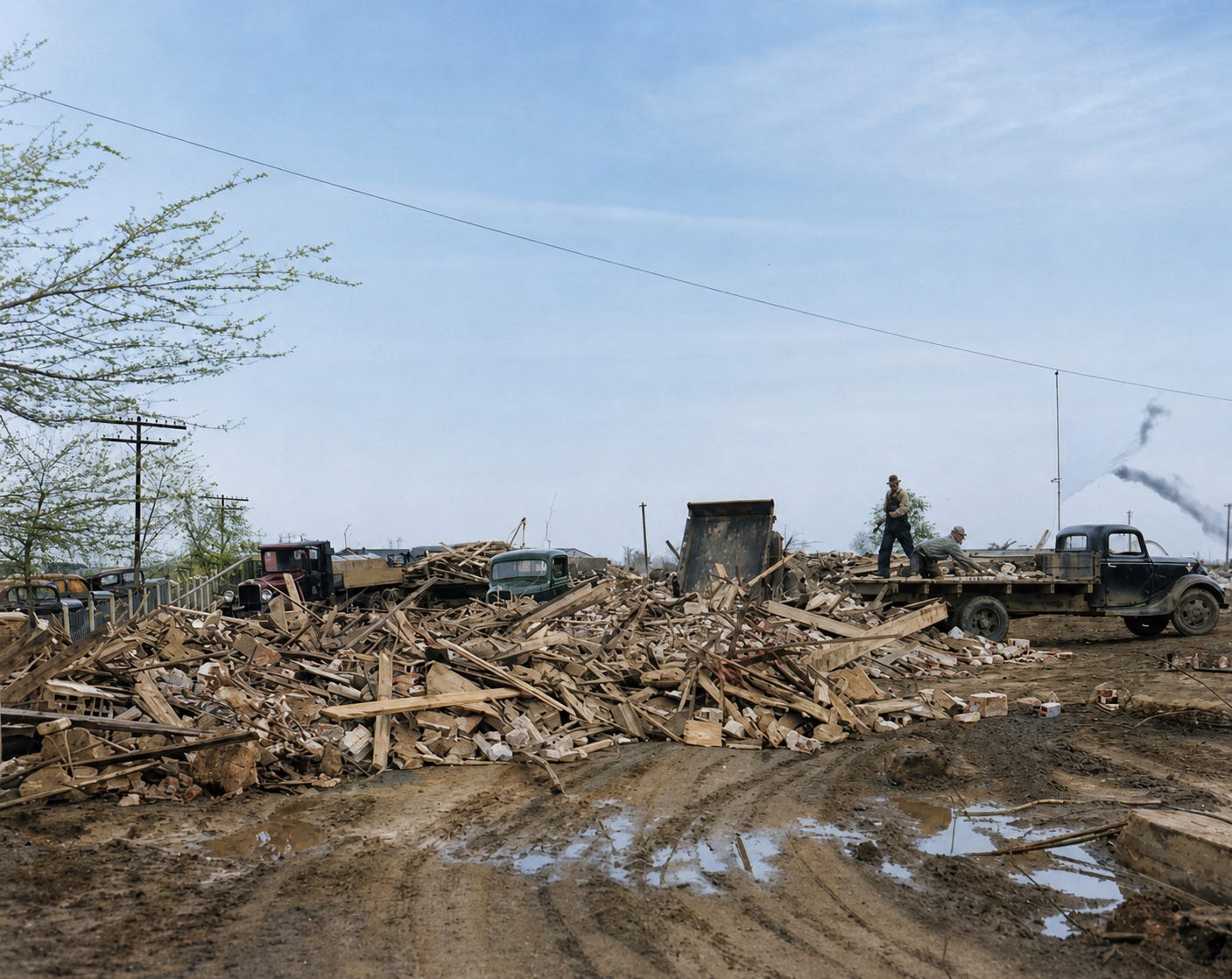
On March 18, 1937, in New London, Texas, an entire community learned what it means when danger has no scent.
The New London School explosion stands as the deadliest school tragedy in American history.
Nearly 300 students and teachers died, including my great uncle Basil Salyer, though the total number of deaths carries uncertainty because of the chaos of the day.
I have read the accounts carefully over the years.
The school district, trying to save money during the Great Depression, tapped into a residual natural gas line from nearby oil fields.
At the time, natural gas had no odor
Faulty pipelines caused gas to leak beneath the school building, filling crawl spaces and walls.
No one smelled it. No one knew it.
Until a spark ignited the air itself.
Witnesses said the explosion lifted the building and then dropped it back down in pieces.
Parents rushed to the site, digging through rubble with their bare hands. Some called out names. Some stood silent, already knowing.
A young reporter named Walter Cronkite was sent to cover the story.
