

Immortality Is a Gift
Death is sin's wages; immortal life, a gift.

‘For the wages of sin is death, but the gift of God is eternal life (Greek: ζωὴ αἰώνιος - ‘life uninterrupted by death ') through Jesus Christ our LORD. - Romans 6:23

Death has been robbed of its meaning.
We speak of the dead as though they are not really dead. We say they have merely ‘passed,’ crossed over, escaped the body, or entered another plane of existence. In much of modern Christianity, death has quietly become another form of life.
But death, by definition, is the end of life.
When someone dies, that person no longer lives. That is why Job asked the question every human heart eventually asks:
‘If a man dies, will he live again?’ [1]
Notice the question.
Job did not ask, ‘When a man dies, where does his immortal soul go?’ He asked whether the man who dies will ever live again.
The answer of Scripture is a resounding YES! - but not because human beings are naturally immortal.
The dead live again because God raises the dead and gifts eternal life, life uninterrupted by any future death, to those in Christ, and judges those outside of Christ, where they will then die ‘the second death’ (see Revelation 20:14).
This distinction is the difference between Greek philosophy and biblical revelation.
It is also the difference between treating the resurrection as a theological accessory and recognizing it as the very heart of the Christian hope.
The Greek Answer to Death
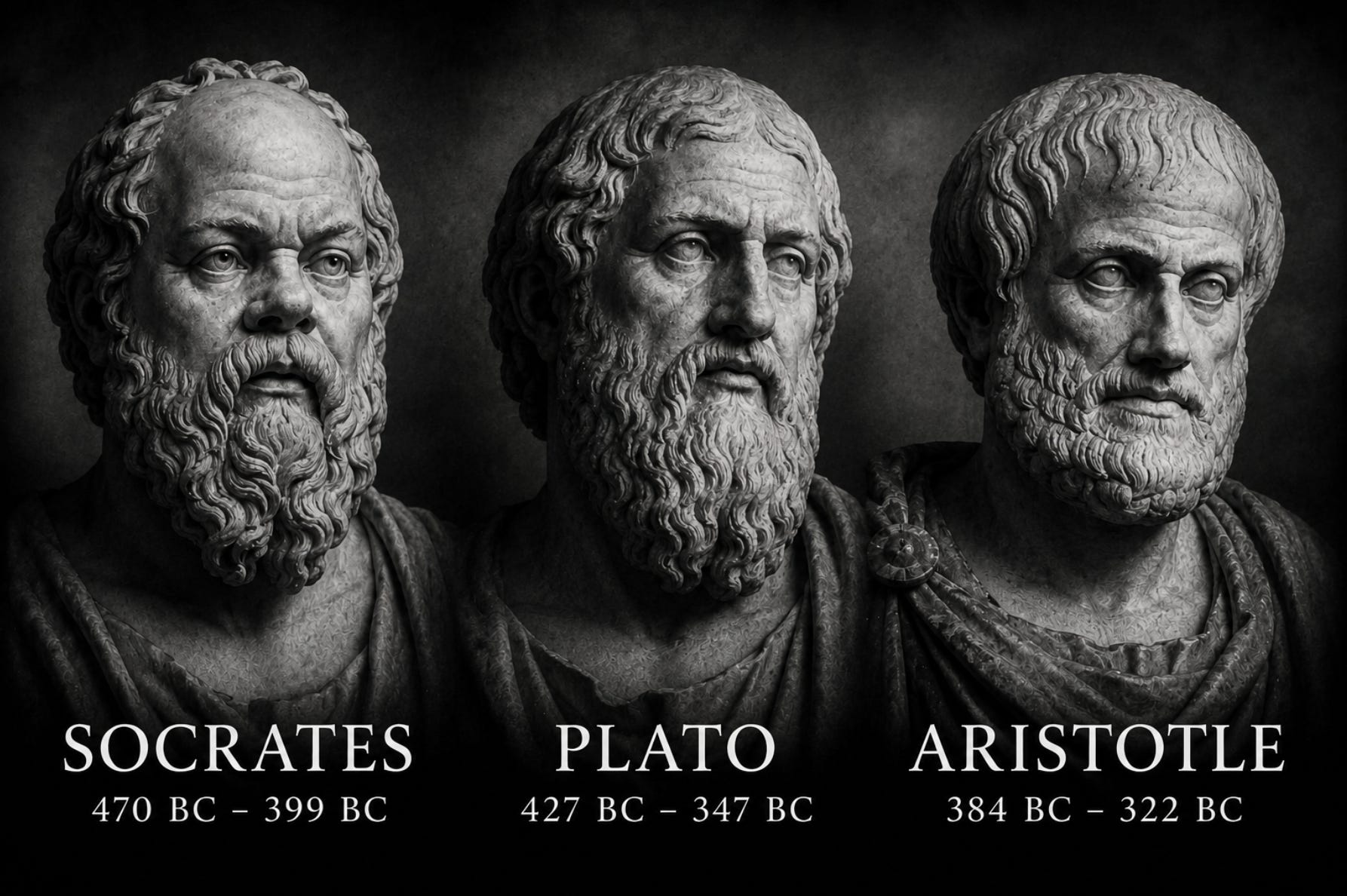
Centuries before the coming of Jesus Christ, Greek philosophers wrestled with the mystery of death. The philosophical tradition associated especially with Socrates and Plato taught that the soul could exist independently of the body.
In Plato’s Phaedo, Socrates defines death as the separation of the soul from the body. The body dies, but the soul continues.[2]
The Greek soul was something like the trick birthday candles many of us encountered as children. You blew them out, but they would not stay extinguished. No matter what happened to the body, the soul supposedly could not cease to exist.
According to this view, death was not the end of life. Death was the liberation of the soul from its physical prison.
The soul, once freed from the body, continued into another realm, where it experienced reward or punishment according to the life lived on earth. Human immortality was not primarily a gift to be received. It was an inherent quality of the soul.
Alexander the Great’s conquests eventually carried Greek language, philosophy, and culture throughout much of the ancient world. After his death in 323 BC, the Hellenistic kingdoms continued spreading Greek ideas across the eastern Mediterranean, Egypt, the Near East, and beyond.[3]
The world into which Jesus and the apostles came was therefore deeply influenced by Greek categories of thought.
But the Hebrew Scriptures begin somewhere very different.
